Which Bryn Mawr you are actually in
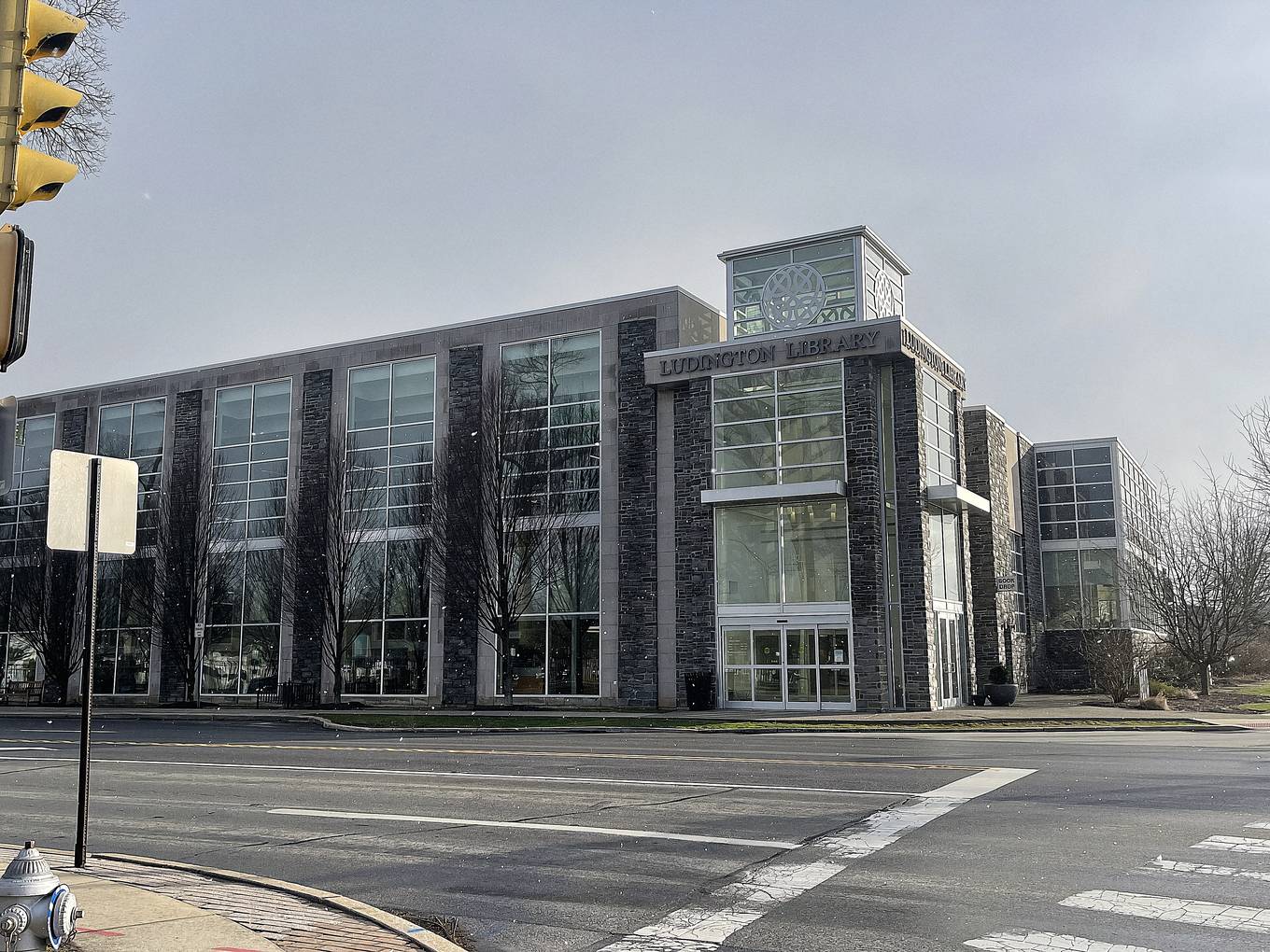
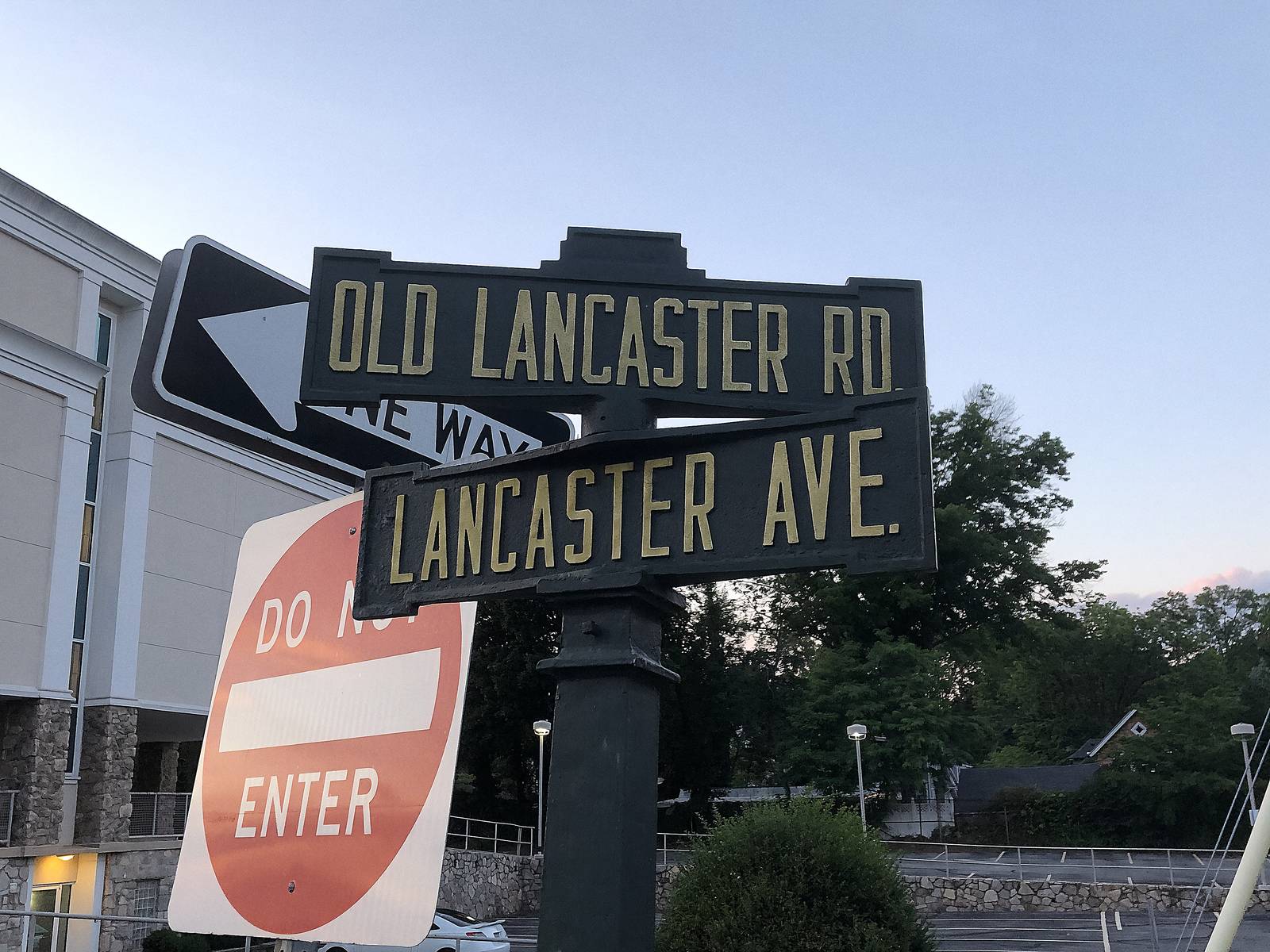
Bryn Mawr is a census-designated place that covers parts of three townships in two counties: Lower Merion Township in Montgomery County, and Radnor Township and Haverford Township in Delaware County. These pages are written for the Lower Merion side, where the school district is Lower Merion, the assessment office is Montgomery County’s and the transfer tax is 2.000%.
That is not a door closing. A Pennsylvania mortgage license covers Pennsylvania, so a house on the Radnor or Haverford side is still a call worth making; the lender simply needs to know which side before anything gets quoted, because almost every number on this page changes at the line.
Two anchors sit on our side of it. Bryn Mawr College, 135 acres founded in 1885, is in Lower Merion Township, and its historic district joined the National Register in 1979. Bryn Mawr Hospital, founded 1893 with 264 beds, is in Lower Merion Township too. So is Bryn Mawr station on the Paoli/Thorndale Line, 254 spaces, roughly 30 to 32 minutes to Suburban Station at peak on the July 5, 2026 timetable.
The bill that follows
Lower Merion Township parcels carry 47.273 mills for 2026: 4.819 township, 5.952 county and community college, and 36.5017 Lower Merion School District. That sits below Narberth Borough at 52.319, below Abington Township at 53.397, and well below either side of Glenside, and the reason it is low is worth knowing: the assessments underneath it are large.
Montgomery County assessments still run on a 1996 base year, with a common level ratio factor of 3.36, so assessed value lands near market value divided by 3.36. At the $875,000 July median for the Bryn Mawr 19010 area, that is roughly $260,400 assessed, times 47.273 mills, near $12,300 a year before homestead relief. An estimate. The district’s own published median household assessment is $250,680, on which the school portion alone runs $9,150 for 2026-27.
The township rate moved this year, from 4.462 to 4.819 mills, an 8% increase approved December 17, 2025, worth about $103 on the median single-family bill of roughly $1,386. That sounds larger than it is, because the township is only about a tenth of what you pay; the school district is about 78%.
One line that runs the other way: Lower Merion Township levies no earned income tax at all, municipal or school, in the state’s 2026 register. Cross into Narberth Borough and the resident rate is 1.00%.
And the transfer tax. It is 2.000% at every Montgomery County address, so it does not move between Lower Merion, Narberth or Bala Cynwyd. It moves the moment a Bryn Mawr address turns out to be in Radnor Township, which charges 2.5%. On an $875,000 sale, that half point is $4,375, customarily split with the seller.
The houses, and what an appraiser asks
Lower Merion Township was first settled in 1682 and incorporated in 1713, and its National Register listings run from Harriton House to the Bryn Mawr Hotel. Old houses are plainly here. What is not published anywhere reliable is an age profile or a construction-type split for Bryn Mawr specifically, so this page will not invent one.
What to do instead is ask about the individual house, early, because on a genuinely old property the file turns on the systems inside it: knob-and-tube or cloth wiring, galvanized or lead supply lines, an abandoned oil tank, asbestos, the age of a slate roof. Those come up in underwriting and in the insurance quote, and they come up late if nobody raises them.
Appraisal is the other one. Fifty-one houses sold in the Bryn Mawr 19010 area in July 2026 at a $875,000 median, and they sat 13 days against 33 a year earlier. On a large, individual, older house the nearest closings may not resemble it at all, and the appraiser has to go and find comparables that do. That takes time a 13-day market does not hand out freely.
What a lender will ask about here
Whether the loan is conforming, which is not the same question as whether the price is high. Montgomery County sits at the 2026 FHFA baseline of $832,750 for a one-unit home. That ceiling applies to the loan. At the area median of $875,000 with 20% down, the loan is $700,000 and it is an ordinary conforming file. Jumbo starts around a $1,040,900 purchase price at 20% down, $925,300 at 10% down, and $876,600 at 5% down, and above that line every lender writes its own rules on reserves, ratios and down payment.
So the real conversation here is the down payment and the loan amount. Below the line, the underwriting is the same as anywhere in the county. Above it, get in front of a lender early, because jumbo terms differ from one lender to the next far more than conforming terms do.
Then the practical pair: the seller’s current tax bill, so the escrow is built on the parcel’s real assessment, and the homestead application, which goes to the county assessment office and only helps from the following year if you close after March 1.
Next town over
Narberth is a borough inside the same school district with a very different municipal rate. Bala Cynwyd sits on the city line. Wynnewood straddles the same county boundary this page does.
What to do next
Have the address, the price and the down payment you have in mind. Send it along and a licensed Pennsylvania mortgage lender calls you back, usually the same working day, and by the end of the next working day at the outside. Approval, terms and reserves are that lender’s to set once the file is read. If the loan lands near $832,750 from either direction, say so on the first call, because that is the number the whole file turns on.